
Written by the Vitrela Australia team · Last updated
Quick answer
Hard tap water leaves minerals behind, too much detergent leaves film, and hot sun dries the glass before you finish wiping.
Related: Explore window cleaning robots for Australian homes · Read the Vitrela setup guide · Check Vitrela safety precautions · Understand the robot window cleaner option
Step by step
- 1Clean on a cloudy day or when the glass is in shade.
- 2Use demineralised or distilled water to avoid mineral spots.
- 3Use only a tiny amount of cleaner, or none at all.
- 4Wipe with clean, dry microfibre.
- 5Work top to bottom in overlapping passes.
- 6Wash microfibre without fabric softener.
- 7Buff the edges last.
Why windows streak
Hard tap water leaves minerals behind, too much detergent leaves film, and hot sun dries the glass before you finish wiping.
Let a robot keep the passes even
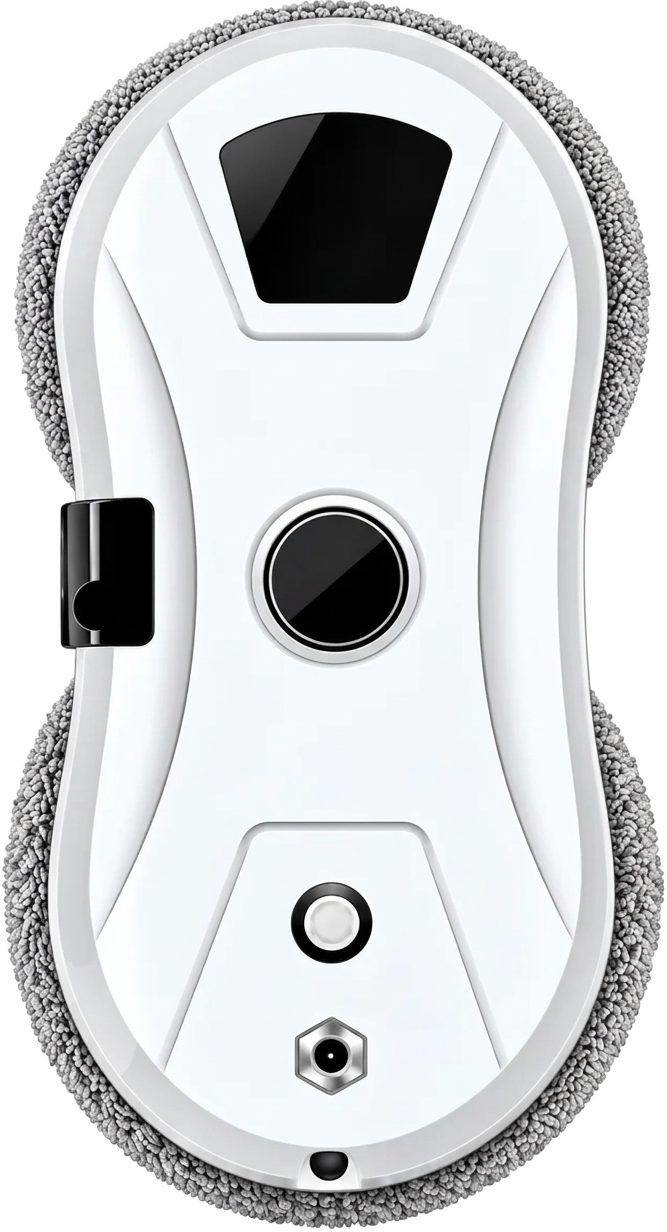
Vitrela sprays lightly and wipes in even, overlapping passes with rotating microfibre pads. That's exactly the technique that avoids streaks.
Safe for you
Three layers of safety. Zero ladders.
- 1
5600 Pa suction
Holds firmly on vertical and sloping glass the whole time.
- 2
Backup battery + alarm
If the power cuts out, it keeps holding and beeps to warn you.
- 3
4 m safety rope
Tied off indoors, so it can never drop away from the window.
Read the marks before choosing a remedy
Not every visible mark calls for another full wash. Broad greasy smears suggest contamination on the glass or cloth. Narrow lines following the direction of a squeegee can point to a dirty or damaged blade. A clear centre with a wet outline often means water has drained back from the frame. Looking at the pattern helps you change the right part of your process rather than adding more detergent.
Inspect both faces of the pane in ordinary daylight. A mark outside can look like an indoor cleaning failure, especially on sliding doors. If you cannot safely reach the other side, do not stretch to confirm it. Persistent haze that appears between panes may need a glazing assessment. Try a small, accessible test area with clean tools before committing to every window. If that patch improves, repeat the successful method systematically. If it does not, investigate coatings, residue or damage instead of rubbing harder and hoping the next pass will solve it.
| Method | Useful for | Watch for |
|---|---|---|
| Washer and squeegee | Removing dirty water from accessible panes | Worn rubber and wet edges |
| Microfibre touch-up | Small fingerprints and edge finishing | Contaminated or oversaturated cloths |
| Demineralised-water test | Checking whether tap water contributes to spots | Does not remove grease by itself |
| Compatible robot | Reducing repetitive wiping on suitable glass | Dirty pads and unsuitable surfaces |
Build a clean-tool workflow before wetting the glass
Set out a washer, squeegee, a cloth for frames and several clean finishing cloths. Keep the dry cloths away from the bucket and damp sill. A cloth that looks tidy may still carry polish, kitchen grease or laundry residue. Use glass-cleaning microfibre that has been washed according to its care label, without fabric softener, and keep it separate from oily cleaning jobs.
Inspect the squeegee rubber under good light. Remove trapped grit and check for nicks that could leave repeated lines. Keep an extra cloth for wiping the blade so you do not soak the cloth intended for the final edges. Work in a consistent direction around the room and replace dirty wash water promptly. This modest preparation usually matters more than finding an exotic cleaning mixture. Place a towel below indoor panes where drips could affect timber or flooring, but keep it flat and outside walking routes. A tidy setup also makes it easier to stop and answer the door safely.
Wash reachable panes with a controlled wet-to-dry sequence
First clear dust from the frame and remove loose dirt gently from the pane. Apply a modest amount of a suitable diluted cleaning solution with a soft washer. Follow the cleaner's directions and any instructions for the glazing. Use enough moisture to lift dirt, not enough to flood the surrounding frame. On a large pane, divide the work into areas you can finish before the solution dries.
With the squeegee, make steady passes that slightly overlap, keeping the blade in even contact. Wipe the rubber after each pass. Finish the bottom edge with a clean cloth before water collects and runs back onto the glass. You do not need elaborate wrist movements for a good result; simple, controlled strokes are easier to repeat. Inspect after drying rather than buffing every square centimetre automatically. Repeatedly polishing with a damp or dirty cloth can undo a sound wash. For unreachable sections, change the access method rather than stretching to preserve a perfect-looking finish.
Match water and cleaner to the glass
If your tap water repeatedly leaves spots, demineralised water can be useful for a small manual finishing test. It is not a solvent for grease and will not correct a contaminated cloth. Compare a small patch before buying supplies for the whole house. For everyday cleaning, the first improvement may simply be removing the wash water fully instead of letting droplets dry on the pane.
Use products approved for your glass, especially if there is tinting, a surface coating or an applied film. Ask the installer or manufacturer when in doubt. Do not combine household chemicals or assume that vinegar, ammonia or a stronger detergent mixture is universally safe. Too much cleaner can create its own removal problem. For a powered robot, follow its separate fluid instructions: a mixture suitable for hand washing is not automatically suitable for a tank or spray system. Keep experiments on accessible manual test areas and avoid abrasive pads, blades or powders as a shortcut to removing an unidentified mark.
Adjust your timing for local Australian conditions
The most convenient time of day is not always the easiest time to clean. East-facing glass can heat early, while western panes may be much warmer later on. Begin with glass that is cool and shaded, and move to another side if your solution starts drying before you can remove it. On hot days, smaller working areas can help, but postponing the task may be the better option.
Coastal salt and inland dust call for careful dirt removal before finishing. Rubbing either around with an almost dry cloth risks spreading residue rather than lifting it. After windy weather, check the washer and change the bucket water more frequently. During pollen season, a quick inspection may show that only a few exposed doors need attention. You do not have to clean every window on the same schedule. Keep windows closed while handling nearby dust, and avoid working outside when wind makes tools unstable or blows grit back onto freshly cleaned glass.
Fix recurring streaks with one change at a time
If a second attempt produces the same lines, stop and isolate the cause. Try a fresh cloth on one patch, then examine the squeegee rubber and the water. Changing the cleaner, cloth, technique and timing together makes it difficult to learn what helped. A small test is less tiring than repeating a full sliding door several times and ending with aching shoulders.
Look closely at frames and seals. Water held along the upper edge may seep onto the glass after you think you have finished. Dry the accessible edge carefully without forcing a cloth into seals or drainage openings. Greasy fingerprints near handles may need a local wash before the main pass. Do not treat a hard-water deposit as ordinary fresh dirt or keep increasing pressure on an unexplained mark. If marks persist despite appropriate cleaning, seek advice specific to the glass. Good cleaning removes surface contamination; it cannot repair etched areas, damaged coatings or moisture trapped inside a sealed glazing unit.
Use a robot as a wiping aid, not a guarantee
For suitable larger panes, a robot can take over some repeated wiping while you manage the preparation and finishing. Vitrela uses ultrasonic spray from a 35 ml tank and rotating washable microfibre pads. Those pads still need to be clean: a machine cannot turn a dirty wiping surface into a clean one. Check and maintain them according to the instructions, particularly when moving from a dusty exterior pane to interior glass.
Vitrela is for smooth, flat glass inside and out, not frosted or textured glass or very small panes. It has 5600 Pa suction and frame-detecting edge sensors, but setup and supervision remain your responsibility. Use the 4 m safety rope and power cable as directed; its backup battery sounds an alarm if power cuts out. Never lean out to chase a missed mark. Expect to inspect edges and deal with local deposits separately where accessible. A realistic goal is less hands-on wiping, not a promise that every coating, stain or lighting angle will produce identical results.
Preserve the finish with targeted touch-ups
Once the main clean is complete, step back and view the pane from a couple of ordinary indoor positions. Strong low-angle sunlight can reveal traces that are barely visible in normal use. Decide whether a small touch-up will meaningfully improve the view rather than automatically restarting the job. For reachable fresh fingerprints, use a clean suitable cloth and the minimum approved cleaner needed, then dry the patch.
Encourage children to use door handles and keep a dedicated glass cloth away from kitchen sprays. Wash and dry used cloths before storing them so the next clean starts with genuinely clean materials. Check the squeegee before putting it away; a damaged blade is easier to replace before the next session. If cleaning is uncomfortable, split the house into short sessions or arrange help. A simple repeatable method is more valuable than an exhausting one-off polish. Keep safety limits unchanged during touch-ups: one small smear on an inaccessible external pane is still not worth leaning or climbing for.
Common questions
Why do my windows look worse in afternoon sun?
Low-angle sunlight makes small traces of residue easier to see. Inspect the pane after it dries, then test a small area with clean tools rather than assuming the whole window needs stronger cleaner.
Can paper towel replace microfibre?
Some paper towels leave lint or become ineffective when wet. A clean glass-suitable cloth is a more reusable option. Avoid rubbing gritty glass with either material.
Should I polish with newspaper?
Newspaper is not necessary for a good finish and can be messy around frames. A sound squeegee and clean finishing cloth give you better control over water removal.
How do I keep cloths from spreading kitchen grease?
Reserve a set for glass and wash them according to their care instructions. Do not use the same cloth for cooking splashes, furniture polish and final window finishing.
Will more passes always remove cloudy marks?
No. Persistent cloudiness may involve deposits, coating damage or moisture between panes. Identify the cause before using more pressure or trying a stronger chemical.
Do robot pads need changing between inside and outside?
Inspect them and follow the care instructions. Do not move visibly dirty pads onto a cleaner surface. Clean pads are more important than sticking to an arbitrary number of windows.
Our 30-day promise
Love it, or your money back. Fair dinkum.
Use Vitrela at home for 30 days. If you're not happy, we'll refund you in full.
- Full refund, no fuss
- Australian-based support by email
- On top of your rights under Australian Consumer Law
Ready for clear windows without the ladder?
Free shipping Australia-wide · 30-day money-back guarantee
Get Vitrela now